Summer Started at Shea Stadium
For a kid growing up in Connecticut, summer wasn't measured in weeks. It was measured in trips to Shea Stadium.

Riding bikes to my best friend’s house without any definitive time I had to be home. Spending three weeks at theater camp, creating a play—one of my favorite childhood activities. Swimming, day camp, and long afternoons with nowhere particular to be.
These were my summer days as a kid.
We only went on major vacations a handful of times, and our summers were hardly packed with endless activities. Mostly, it was a lot of running around and a lot of freedom. But as it does for most kids, summer still felt magical. And there were a handful of days every year when that magic reached an entirely different level.
Those were the days we spent at Shea Stadium.
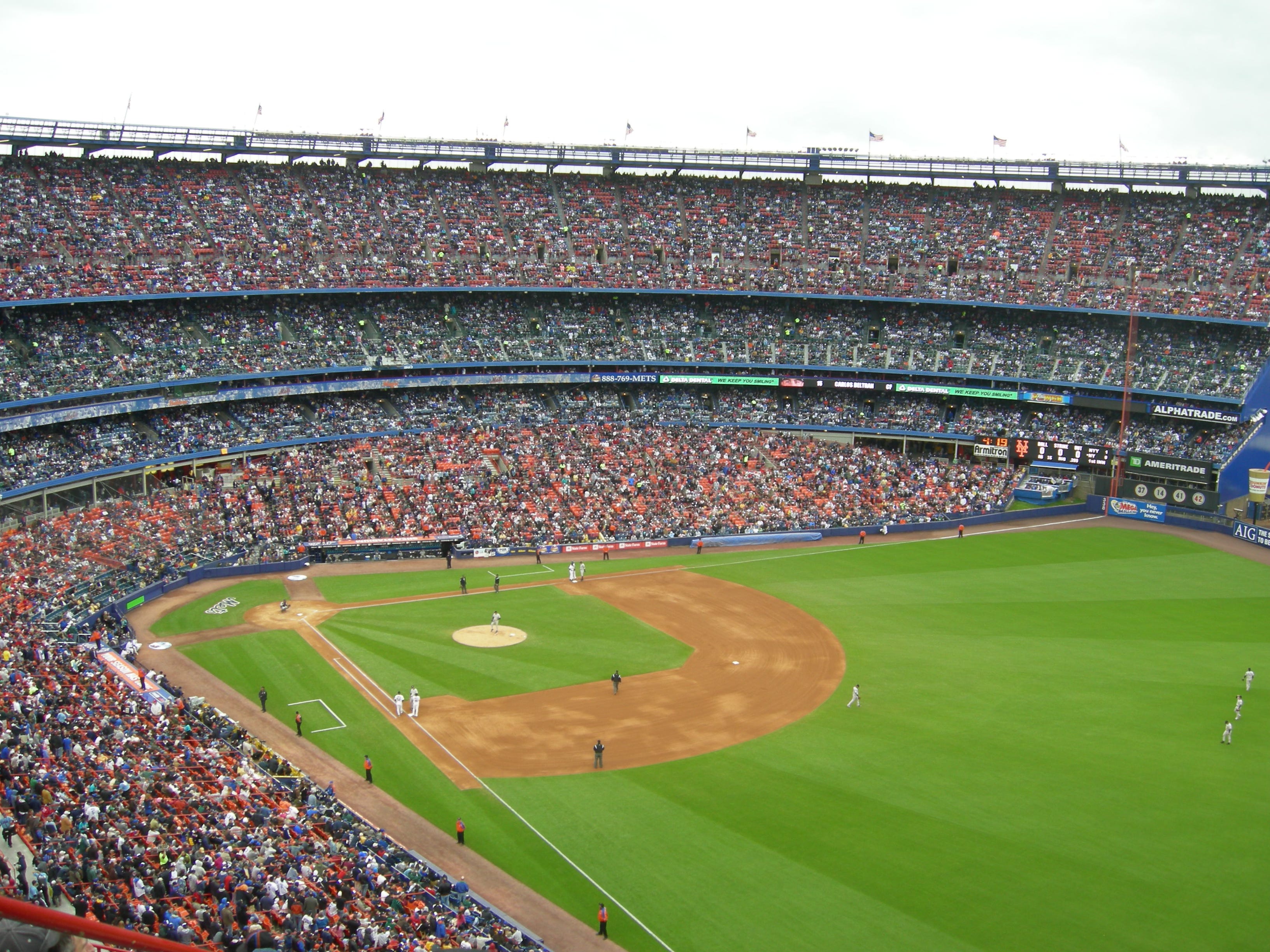
In the spring, Dad would secure tickets from a gentleman for whom he did some side work. The man had unbelievable season tickets to the Mets, which meant we wouldn’t be sitting in the nosebleeds. Instead, we were almost directly behind home plate, as close to the action as you could reasonably get.
The dates would be marked on the calendar, and my brother and I would count down the days.
Anticipation stretches time when you’re a child, making days feel like forever and weeks like an eternity. In the evenings leading up to our adventure from Connecticut into Queens, I would lie in bed listening to Bob Murphy and Gary Cohen on WFAN, daydreaming about the batting practice we’d get to watch and the hot dogs we’d inevitably eat. It would be my dad, my brother, often my mom’s cousin—who was basically an uncle to us—and me.
It was so much more than just going to a baseball game. It was an adventure.
The gates at Shea Stadium opened incredibly early, far earlier than 90 minutes before first pitch, as is the case with many ballparks today. If you got there early enough, you could watch both teams’ full batting practice sessions on the field. My Dad would insist we get there to watch. A 7:30 game usually meant we’d be packed into the Mitsubishi van heading into Queens by 3:00 in the afternoon. Dad’s goal was to get to the ballpark by 4:30 or 5:00, depending on how bad traffic would be on the Merritt Parkway or how slowly it would crawl over the Whitestone Bridge.
As we passed through the tolls on the north end of the bridge that connects the southern portion of the Bronx to Queens, and climbed toward its highest point, Shea Stadium would suddenly come into view in the distance, next to LaGuardia Airport. For me, it was like seeing a beacon rising out of Queens.
The sound of the turnstiles clicking as we all piled our way through felt like a key unlocking the greatest place on Earth. Once into the ballpark, the smell of the hot dogs, the beer, and warm pretzels seemed to drift all through the concourse and out into the stands. Every year, when I would get to step into that ballpark for the first time and see the field with my own eyes rather than just on television, I was completely captivated and overwhelmed with enthusiasm.
Shea Stadium felt enormous, because it was. Over 55,000 fans could pack themselves into watch the Mets. The upper deck seemed to hang up in the clouds. Each level of seating was defined by its own distinct color. The box seats were orange, the loge level blue, the mezzanine green, and the upper deck red. The giant scoreboard in right field towered over the field and made a perfect target for Darryl Strawberry's home runs. Once he would clank one off that scoreboard, a big red apple would rise out of a top hat that sat beyond the center field fence, honoring the Mets home run.
Over time, Shea Stadium was called out as a concrete relic, a product of the mixed-use stadium era that didn’t stand up to the test of time. Looking back, it certainly showed its age by the 1990s. But to me, it was just perfect. As far as I was concerned, Shea Stadium was the greatest ballpark in baseball.
The memories are too many to mention.
Dave Magadan hitting a walk-off home run against the Pirates in extra innings during my first night game. Darryl Strawberry returning to Shea as a member of the Dodgers. A day-night doubleheader against the Reds where a rain delay in the second game pushed the action deeper and deeper into the evening. My older brother, who had grown up in San Francisco with his mother, joining us for a Mets-Giants game, and me taking perhaps a little too much pleasure in watching my team beat his.
And, of course, always asking Dad for one more hot dog. One more pretzel.
I remember those moments because they happened on the days that mattered most.
Those days meant summer had arrived.
Not because school was over, although that certainly helped. Those trips represented something larger. They meant there was nowhere I needed to be and nothing I needed to accomplish. The entire summer stretched out in front of me, full of possibility.
The baseball mattered.
But what mattered even more was what the baseball represented.
As an adult, the summer always feels shorter. The calendar is consumed by work and other obligations nearly as much as the rest of the year. Bills still make their way to the mailbox. Clients and bosses still call. Work doesn’t come to a complete stop just because the weather improves and the kids are out of school. Sure, it still brings family barbecues, vacations, and more time together, but it never carries the same sense of endless possibility it did when we were kids.
These days, we spend plenty of summer evenings at Mariners games. Sometimes it’s with Cooper. Sometimes it’s with the whole family. Occasionally, it’s just me. We are fortunate enough to attend far more baseball games than my family ever could when I was growing up.
Yet summer baseball still feels different. Maybe it’s because there isn’t quite the same rush to get home once the game is done. Maybe it’s the sun staying up longer or the fact that nobody has to dread going to school the next day. Whatever the reason, a baseball game on a warm summer evening still creates a sense of freedom that can be difficult to find elsewhere. For a few hours, there is nowhere else I need to be.
I think the older we get, the more we realize that we don’t really measure our lives by dates on a calendar. We measure them through rituals.
For some people, it’s a long weekend camping trip. For others, it’s a jump into a cold mountain lake, fireworks on the Fourth of July, or a family barbecue.
For me, it was walking into Shea Stadium.
And now, decades later, a warm evening at T-Mobile Park can create much of the same feeling. It’s not about reliving childhood. It’s not even really about baseball.
It’s about recognizing that summer has arrived. And for as long as I can remember, baseball has been the way I’ve known.
Wow, Mets fandom, PNW living, and theater camp?? Are we the same person??
So good. I miss these days. It was Candlestick Park with my grandfather for me!